after the Rideshare controversy, Saber CCO says something will come along
What the report saysSaber Interactive made headlines recently when its boss had an ugly spat with a former employee about the company's use of gen-AI in taxi game Rideshare Stimulator. Matthew Karch, Saber's co-founder…
What the report says
Saber Interactive made headlines recently when its boss had an ugly spat with a former employee about the company's use of gen-AI in taxi game Rideshare Stimulator. Matthew Karch, Saber's co-founder and CEO, since apologised, and made sure Rideshare got proper AI disclosure labels on Steam. But a larger question mark over Saber's approach to gen-AI remained.Saber is a large video game developer and publisher with 15 studios around the world, responsible for games like the acclaimed Warhammer 40,000: Space Marine 2. Its roster of upcoming games includes a new big-budget John Wick action game, a new Stuntman driving game, a new Turok game, a Hellraiser game, a Jurassic Park survival game, and the Star Wars: Knights of the Old Republic remake.
So the decision whether to adopt gen-AI more widely affects many more games than Rideshare.With this in mind, Eurogamer's Connor sat down with Saber's chief creative officer Tim Willits - formerly of id Software - at Gamescom. As Willits put it to Eurogamer: "We are experimenting with it. A game we announced called Rideshare - it's a small game - we're going to try to figure out if it works or if it doesn't work. We don't as an industry really know how it fits, and consumers don't really know what they want or they don't want, so it's kind of like a disruptive technology that society has seen for a long time."He then clarified: "We don't actually use it on our projects except for our experiment with Rideshare.
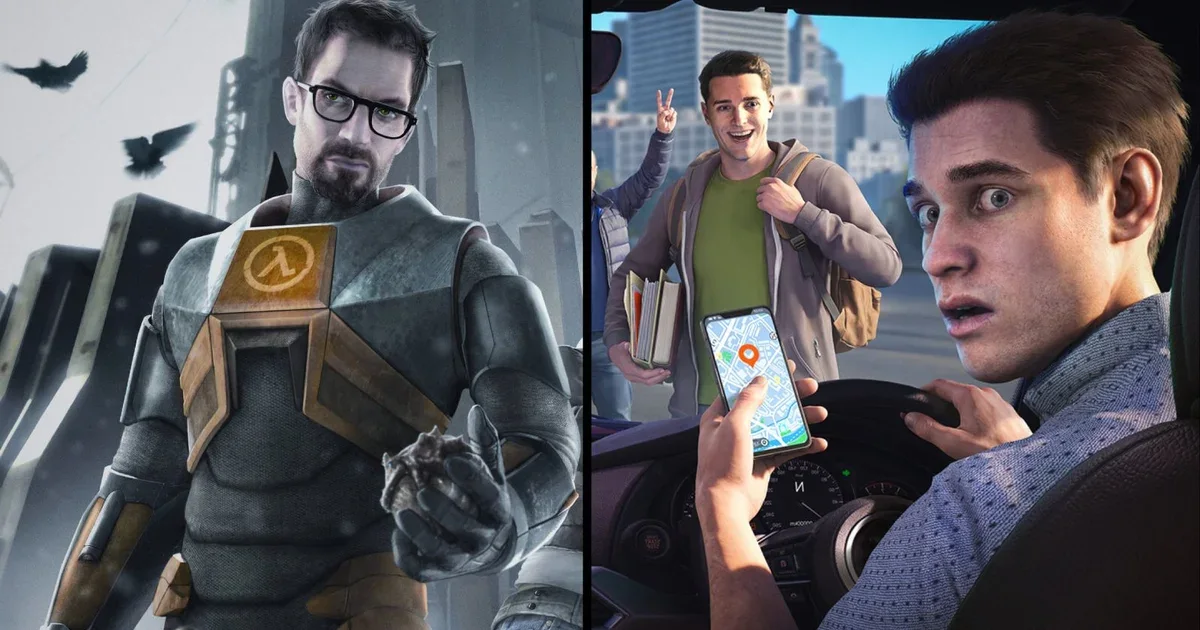
We don't have an official policy; we don't use it outright across all our projects."Rideshare, a game about playing and managing an app-based taxi business, uses gen-AI in a number of ways. According to Rideshare's freshly-added Steam declaration, the game generates some voices and localisation, and some music on the radio stations in the game. But the game's more novel use of the technology comes in an optional and open-ended Free Ride mode, where gen-AI is used to generate missions and localised dialogue.In a public post reflecting on the Rideshare situation and resulting backlash, Saber CEO Matthew Karch - after stating that as a CEO "you aren't afforded the luxury of responding in kind, even when you feel wronged" - underlined the importance of exploring new technologies such as gen-AI when they come along."You don't want to risk it on something big, because there's risk there, but somebody will" -Tim Willits"Stand firm on technology and innovation," Karch wrote.

Key details
"Emerging tech like AI will always provoke strong reactions. While industry shifts are uncomfortable, hiding from them isn't an option. Our focus should remain on leveraging new tools to create better experiences and thoughtfully adapting our workforce for the future, regardless of the noise."Referring to this post, Willits stressed the small and experimental nature of Rideshare. "It's literally one game mode of a game," he said. "It's important for teams to make small games to keep the lights on - that's what this is. So if you're going to take a bet, if you're going to experiment, you better do it on something small.
You don't want to risk it on something big, because there's risk there, but somebody will, which is to Matt's point. Somebody will do it."A few other studios have found themselves in similar debates. Just recently, Patrice Désilets, the creator of Assassin's Creed and now 1666 Amsterdam, made the often-claimed point amongst the AI-positive that generative AI was ubiquitous, stating: "We live in a world full of AI, let's be honest with ourselves." His studio Panache used gen-AI tools to help make 1666: Amsterdam.Likewise, Pathfinder and Warhammer 40,000 CRPG maker Owlcat used gen-AI tools to help make Mass Effect-like sci-fi RPG The Expanse: Osiris Reborn.
And former Witcher 3 director, now The Blood of Dawnwalker director, Konrad Tomaszkiewicz, has expressed interest in exploring gen-AI tools in the future. Even Baldur's Gate 3 developer Larian used gen-AI tools for a while during the concept art phase of new game Divinity.For some, the perceived boundary of "acceptable use" appears to be keeping discernible gen-AI use out of the final game. I stress "acceptable use" in air quotes, however, because that boundary doesn't apply to everyone. For many it's any gen-AI use at any point in development. It's worth noting a huge number of studios have publicly stated they won't be using gen-AI in development."I'm making a silly example, but someone will make something that will change people's minds" -Tim WillitsIn all of the cases above of companies that used it, those involved faced backlash - often fierce - over their approach to gen-AI.
 Valor Mortis Update 1.005 Fixes Boss and Quest Issues on October 23
 Zelda fans obsessed with Dark Link’s “aura farming” in Ocarina of Time remake
 EA Could Sell BioWare’s IP As It Looks To Tackle Its Massive Debt, Former
 This LG Ultragear OLED Gaming Monitor Is $400 Off Right Now